
Wellington Rodent Species Identification
Rodents are common throughout Wellington, especially around homes, businesses, bush edges, coastlines, drains, roof spaces, subfloors, rubbish areas, and food storage areas.
The main rodent species people are likely to deal with are Norway rats, ship rats, and house mice. Kiore are also found in New Zealand, although they are not usually the main rodent pest found inside Wellington homes and businesses.
Knowing what type of rodent you are dealing with can help work out where they are coming from, where they may be nesting, and what type of control is needed.
Norway Rat
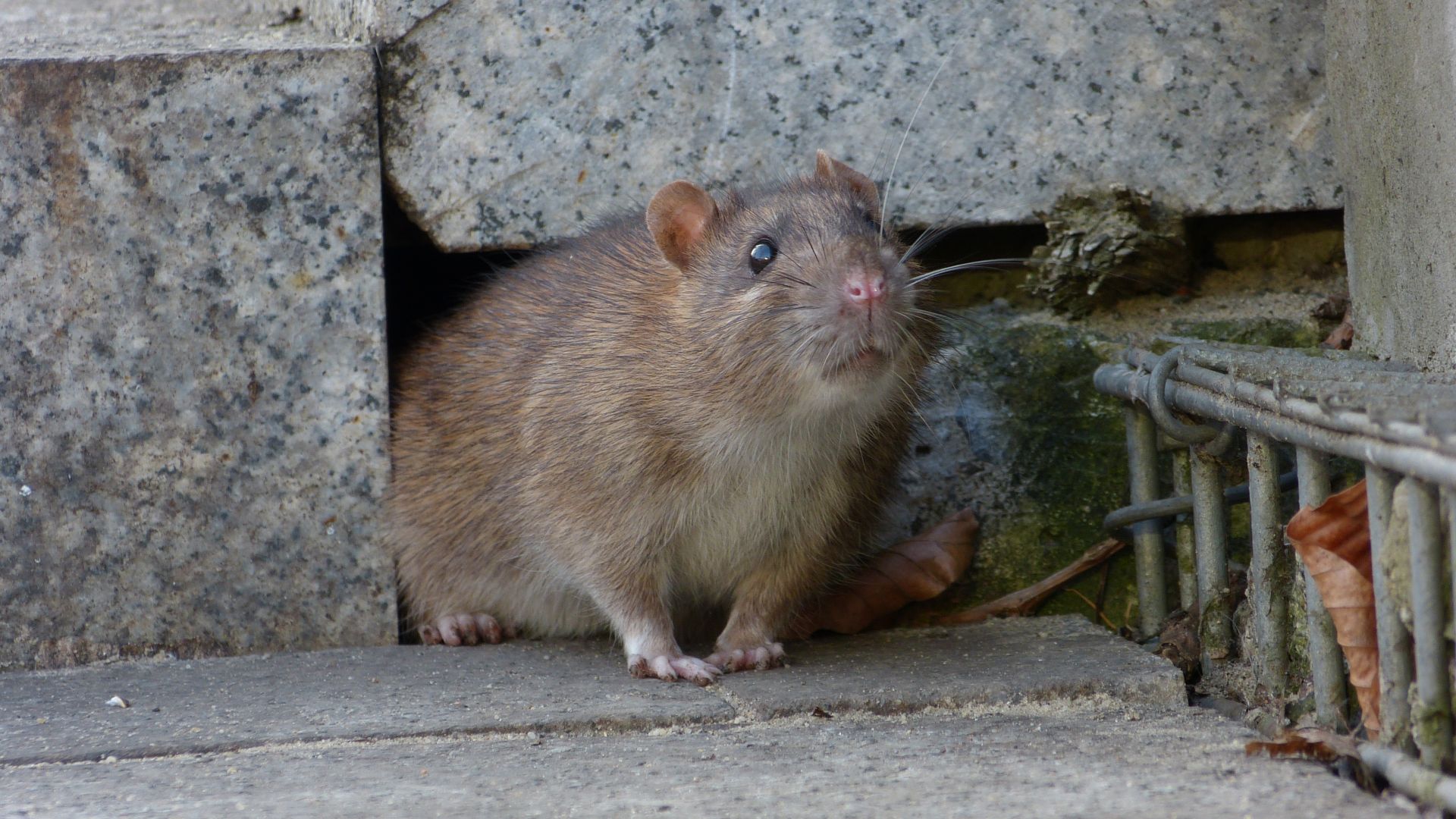
Size: Norway rats are large rats, usually around 20–25 cm long in the body, not including the tail.
Looks: They are usually brown or grey-brown with a heavy body, blunt nose, small ears, and a thick tail that is normally shorter than the body. They look solid and bulky compared with ship rats.
Places Found: Norway rats are usually found closer to the ground. They are commonly found around drains, rubbish areas, compost bins, gardens, retaining walls, waterways, garages, subfloors, sheds, and commercial waste areas.
Quick History: Norway rats were introduced to New Zealand through shipping and human settlement. They are now widespread and are strongly associated with people, buildings, rubbish, food sources, drains, and damp sheltered areas.
In Wellington, Norway rats are often linked with ground-level activity. If you are hearing movement under the house, seeing burrows, or finding droppings around bins, subfloors, or drains, Norway rats may be the cause.
Ship Rat
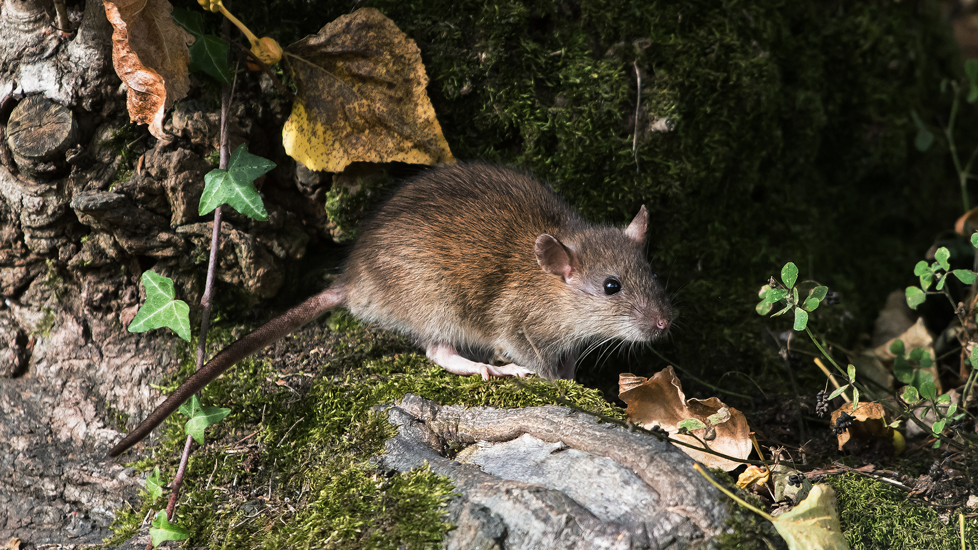
Size: Ship rats are medium-sized rats, usually around 16–20 cm long in the body, not including the tail.
Looks: They are slimmer than Norway rats and often have a more pointed nose, larger ears, and a long thin tail that is usually longer than the body. Their colour can range from dark brown to black, with a lighter belly.
Places Found: Ship rats are excellent climbers. They are commonly found in roof spaces, wall cavities, ceiling voids, trees, vines, garages, sheds, upper levels of buildings, and areas with overhanging vegetation.
Quick History: Ship rats also arrived in New Zealand through shipping and trade. They are now one of the most common rats found in urban and bush-edge environments.
In Wellington, ship rats are a common issue because many homes are close to bush, trees, steep sections, and overgrown vegetation. If you are hearing scratching in the ceiling or walls at night, ship rats are often one of the first species to consider.
House Mouse
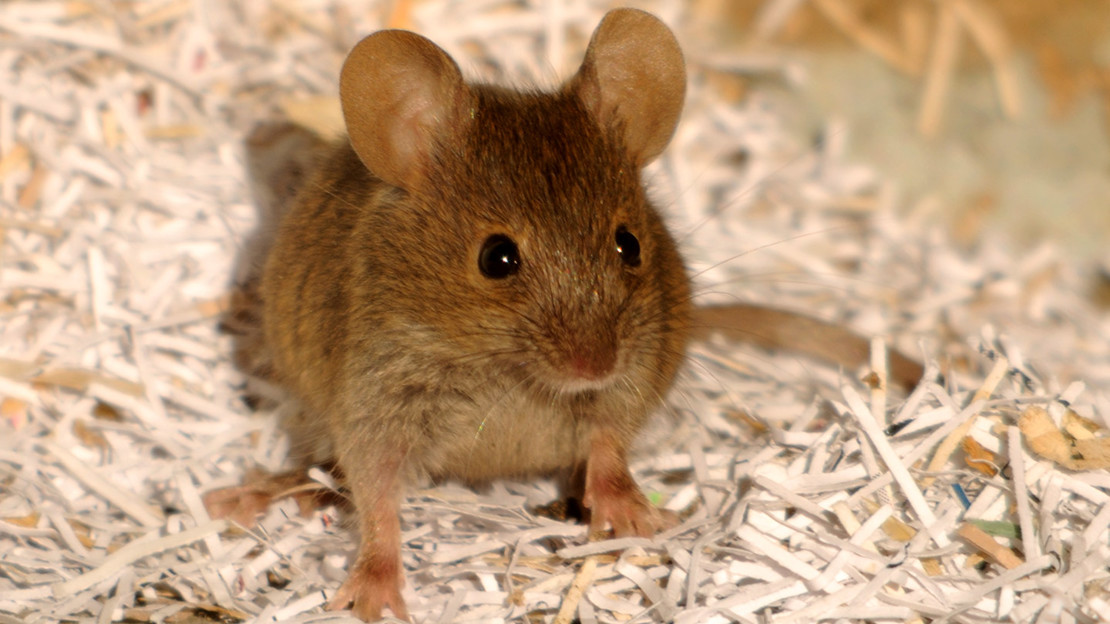
Size: House mice are small rodents, usually around 7–10 cm long in the body, not including the tail.
Looks: They are usually grey, brown, or light brown with a small body, pointed nose, large ears, and a thin tail. Young rats are sometimes mistaken for mice, but mice usually have smaller feet and a more delicate body shape.
Places Found: House mice are commonly found in kitchens, pantries, cupboards, garages, roof spaces, wall cavities, storage rooms, offices, warehouses, and food storage areas.
Quick History: House mice were introduced to New Zealand and have adapted very well to living close to people. They can survive on very small amounts of food and can squeeze through tiny gaps around doors, pipes, walls, and foundations.
Mice can be a problem in both homes and businesses because they breed quickly and can contaminate food areas, packaging, stored goods, and surfaces.
Kiore
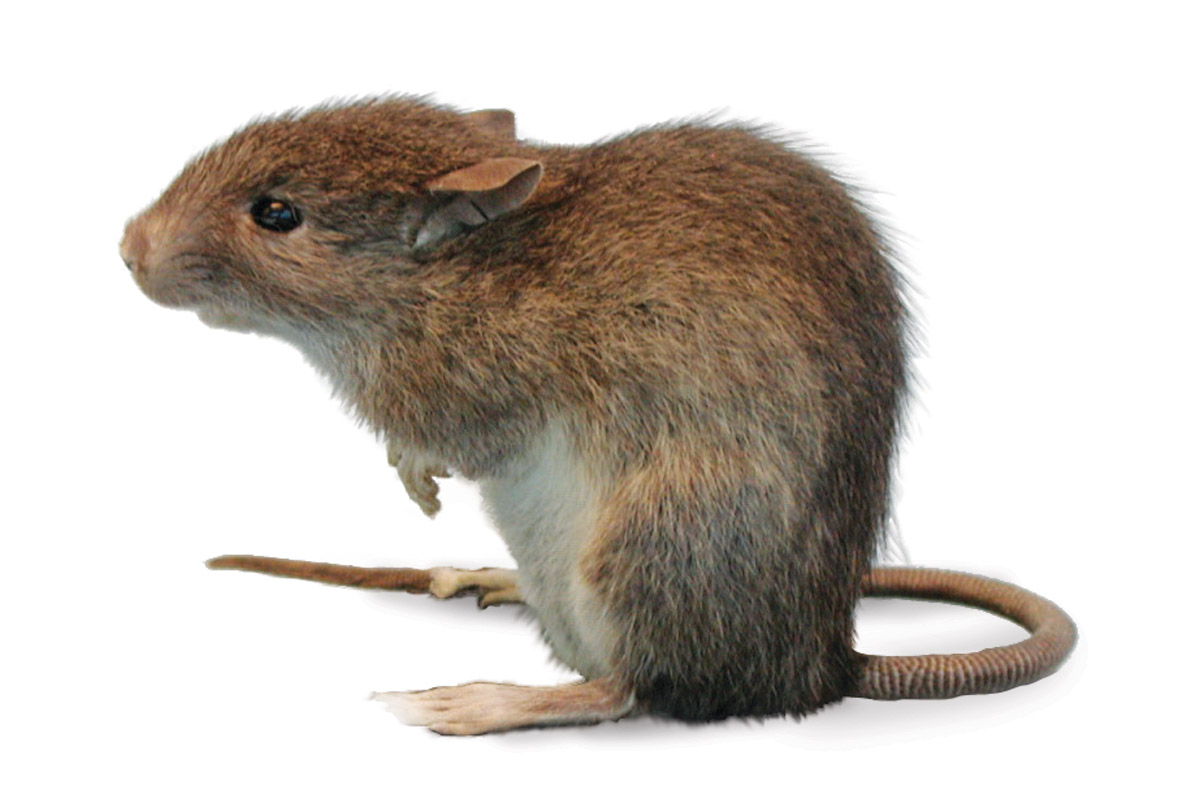
Size: Kiore, also known as the Pacific rat, are smaller than Norway rats and usually smaller or similar in size to ship rats.
Looks: They are generally brown with a slimmer body and a pointed nose. They can look similar to other rats, so proper identification can be difficult without a closer inspection.
Places Found: Kiore are not usually the main rodent found inside Wellington homes and businesses. They are more commonly discussed in relation to conservation areas, islands, and parts of New Zealand where they are still present.
Quick History: Kiore were the first rat species introduced to New Zealand, arriving with early Polynesian settlement. They are an important species historically, but from a pest control point of view, Norway rats, ship rats, and house mice are usually the main rodents involved in building infestations.