
Wellington Fly Species Guide
Flies are one of the most common pest insects found around Wellington homes and businesses. They are usually attracted by food waste, bins, drains, moisture, animal waste, dead animals, compost, and warm indoor areas. New Zealand has many fly species, but only a handful commonly become pest issues around buildings.
House Fly
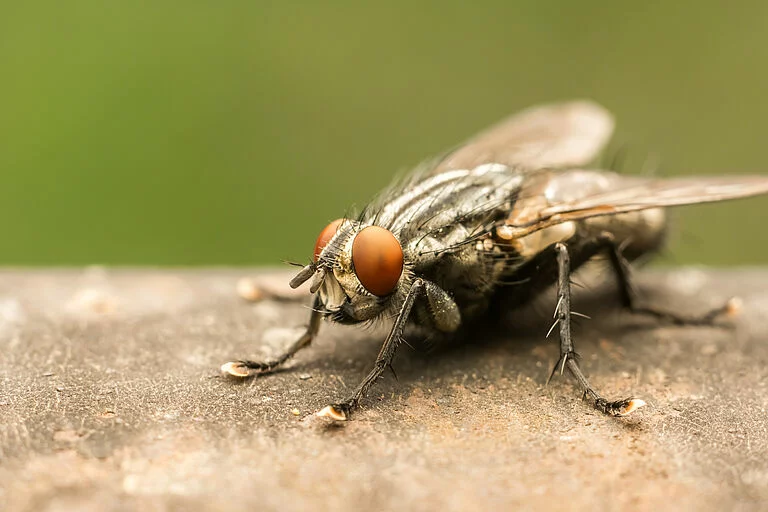
Size: Around 6–8 mm long.
Looks: Grey to dark grey body with darker stripes on the upper body. House flies have large red-brown eyes and clear wings.
Places Found: Commonly found in kitchens, rubbish bins, food areas, restaurants, cafes, dairies, lunchrooms, compost areas, animal areas, and around open doors and windows.
Behaviour: House flies feed on liquid or soft food sources and are strongly attracted to smells. They commonly move between waste, food, drains, and surfaces, which is why they are considered a hygiene pest.
Time of Year: Most active in warmer months, especially spring and summer. In warm buildings, they can remain active for much longer.
Quick History: The house fly is one of the most widespread pest flies in the world and is commonly found around people, animals, food, and waste.
Blow Fly / Bluebottle Fly
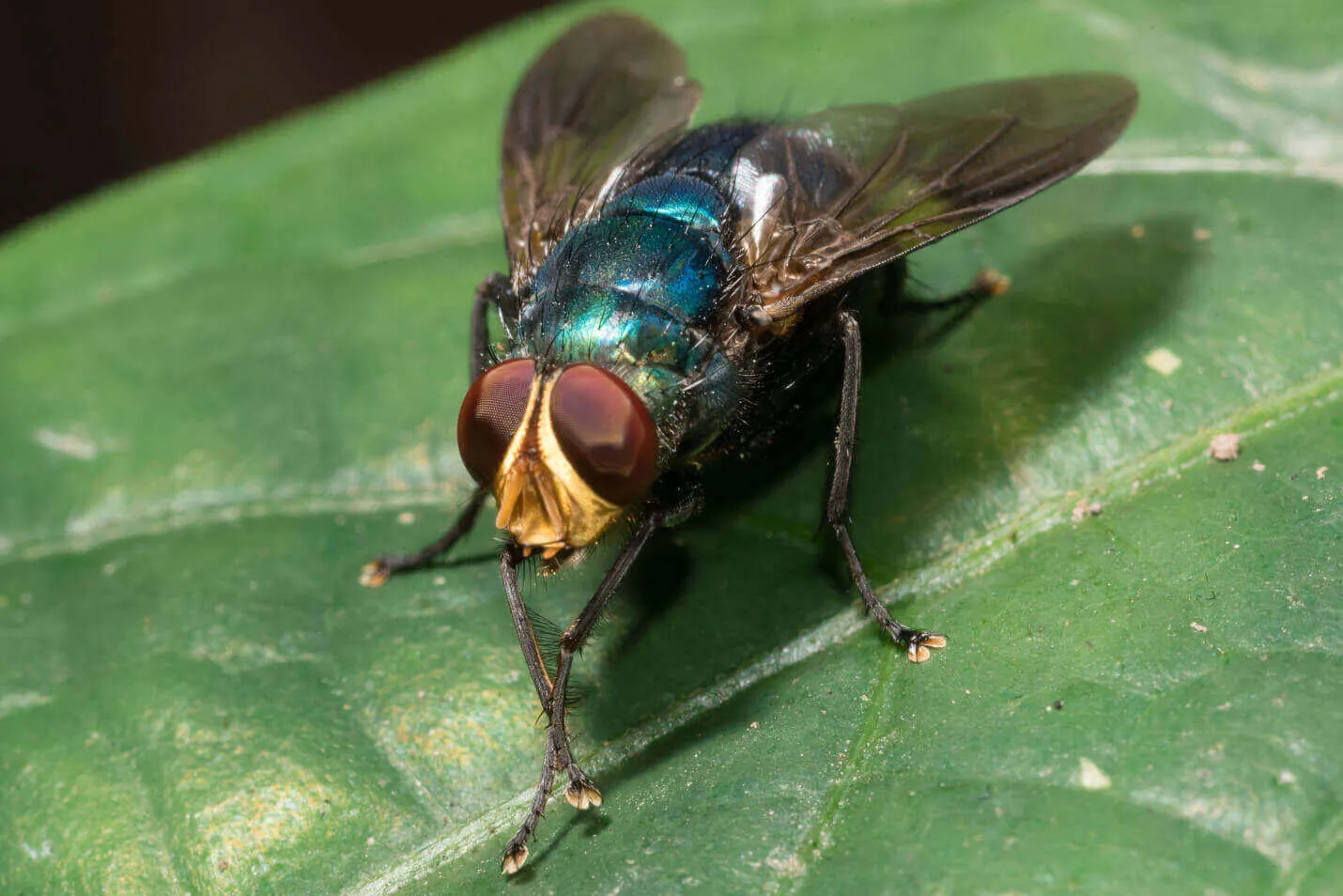
Size: Around 8–12 mm long.
Looks: Larger and shinier than a house fly. They are often metallic blue, green, or bronze, with a chunky body and loud buzzing flight.
Places Found: Commonly found around rubbish bins, dead animals, compost, meat scraps, pet waste, outdoor food areas, and sometimes inside roof spaces or wall cavities if something has died inside.
Behaviour: Blow flies are strongly attracted to decaying organic matter. If large numbers suddenly appear inside a building, it may be a sign of a dead rodent, bird, or other animal nearby.
Time of Year: Usually worse during warmer weather, especially when waste, meat, or dead animals are present.
Quick History: Blow flies are important in nature because they help break down dead organic material. Around homes and businesses, however, they quickly become a hygiene issue.
Cluster Fly
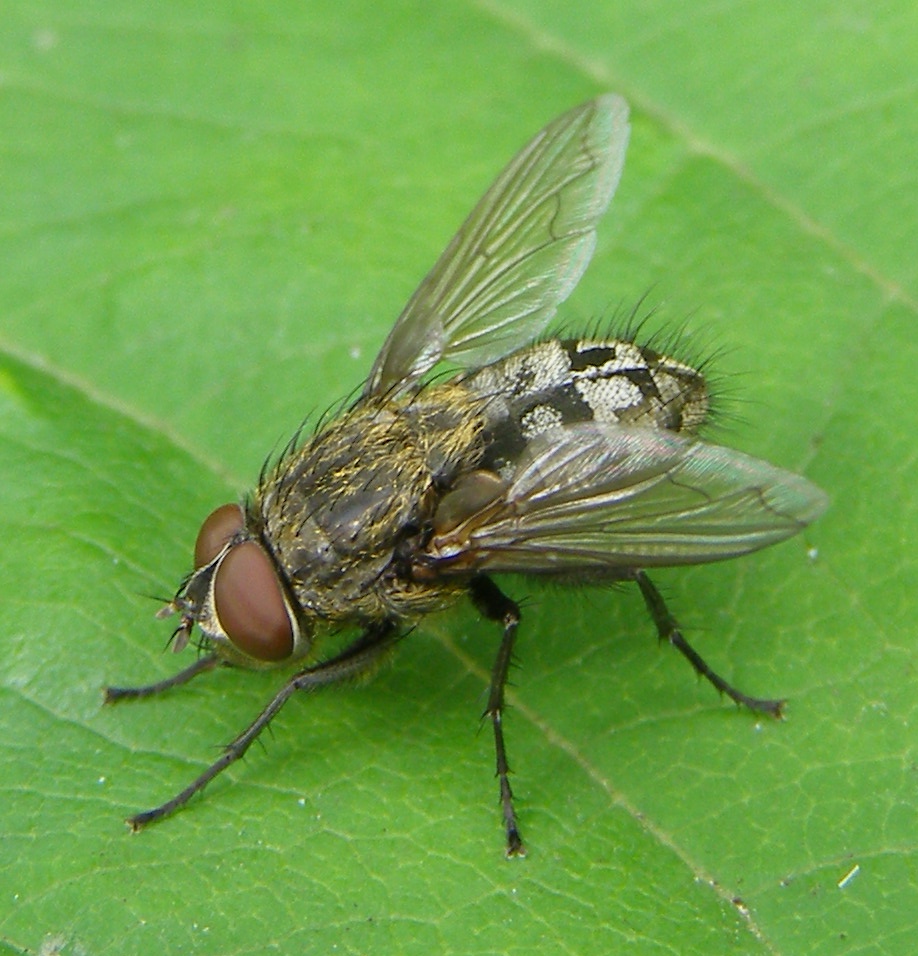
Size: Around 8–10 mm long.
Looks: Similar to a large house fly but usually slower and more sluggish. They often have a dull grey body with golden hairs on the thorax.
Places Found: Commonly found in roof spaces, wall voids, window frames, ceiling spaces, upstairs rooms, rural homes, sheds, and sunny sides of buildings.
Behaviour: Cluster flies often gather in large numbers inside buildings to overwinter. They may appear around windows or light fittings when the indoor temperature changes. Their larvae are associated with earthworms in soil.
Time of Year: Often noticed in autumn and winter when they move into buildings, then again on warmer days when they become active indoors.
Quick History: Cluster flies are a common seasonal pest in parts of rural New Zealand. They do not usually breed inside the home, but they can gather in large numbers in roof and wall spaces.
Vinegar Fly / Fruit Fly
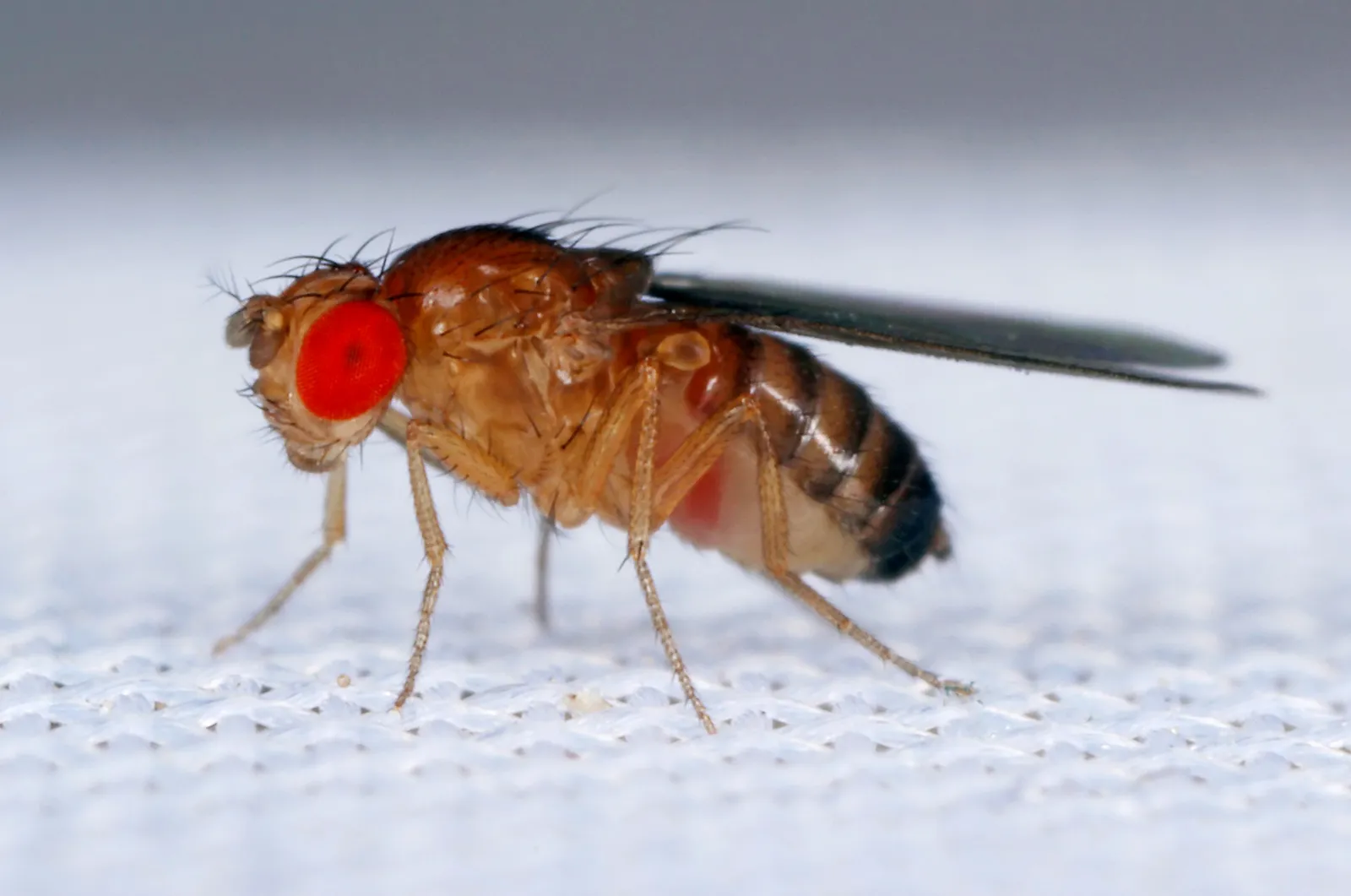
Size: Around 2–4 mm long.
Looks: Very small, light brown to yellow-brown flies. They often have red eyes and a slow, hovering flight.
Places Found: Commonly found around fruit bowls, bins, recycling, beer and wine residue, drains, food scraps, compost buckets, bars, cafes, kitchens, and anywhere fermenting material is present.
Behaviour: Vinegar flies are attracted to fermenting fruit, sugary liquid, alcohol residue, and food waste. They can breed quickly when food scraps or liquid residue are left sitting.
Time of Year: More common in warmer months, but they can appear year-round indoors, especially in kitchens and hospitality sites.
Quick History: Vinegar flies are often called fruit flies, although they are different from the serious biosecurity fruit flies MPI monitors. In homes and businesses, they are usually linked to fermenting food or drink residue.
Drain Fly / Moth Fly
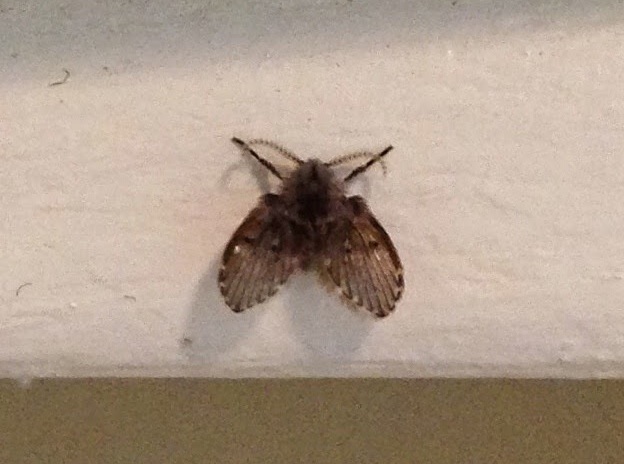
Size: Around 2–5 mm long.
Looks: Small, fuzzy-looking flies with broad wings. They often look like tiny moths and may sit on walls near sinks, drains, showers, and toilets.
Places Found: Commonly found around drains, bathrooms, laundries, commercial kitchens, floor drains, grease traps, wet rooms, and areas with built-up organic sludge.
Behaviour: Drain flies breed in the slimy organic build-up inside drains and wet areas. Spraying the visible adults may reduce numbers briefly, but the breeding source usually needs to be cleaned or treated properly.
Time of Year: Can appear year-round inside buildings where drains stay warm, wet, and dirty.
Quick History: Drain flies are commonly linked to plumbing and hygiene issues. They are usually a sign that organic matter is building up somewhere nearby.
Flesh Fly
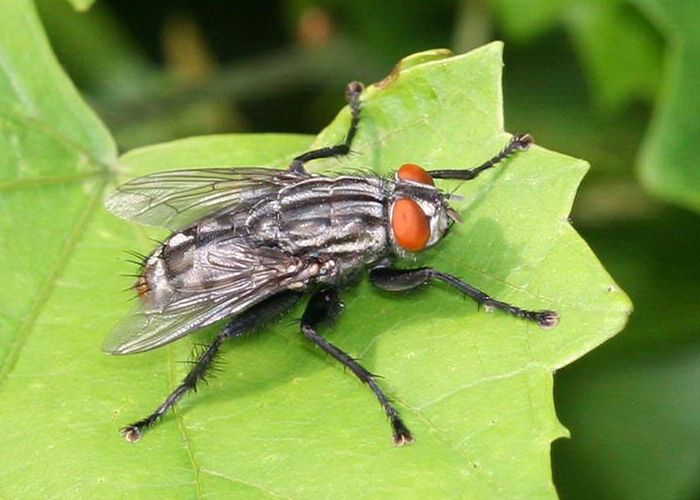
Size: Around 8–14 mm long.
Looks: Grey fly with dark stripes on the body. Some have a checked or patterned abdomen. They are usually larger and more solid-looking than house flies.
Places Found: Found around dead animals, meat waste, rubbish, pet waste, compost, and animal areas. They may also appear inside if there is a dead rodent, bird, or animal in a roof space, wall, or subfloor.
Behaviour: Flesh flies are attracted to decaying meat, animal waste, and dead animals. Large numbers appearing suddenly may point to a hidden dead animal source.
Time of Year: More common in warmer months when decay happens faster.
Quick History: Flesh flies play a natural role in breaking down dead organic matter, but around buildings they can be unpleasant and may indicate a hygiene or dead animal issue.
Stable Fly
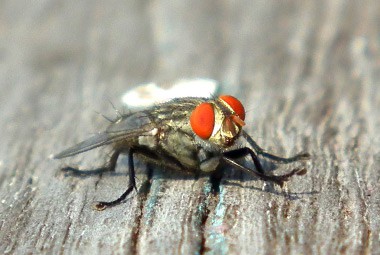
Size: Around 5–8 mm long.
Looks: Similar to a house fly but with a noticeable piercing mouthpart. It may look like a small pointed beak at the front of the head.
Places Found: More common around farms, livestock, stables, animal shelters, kennels, compost, grass clippings, and damp decaying vegetation.
Behaviour: Unlike house flies, stable flies can bite. They feed on blood and may bite people, pets, and livestock. They are usually more of an outdoor or rural problem.
Time of Year: More active in warmer months, especially around animal areas and damp organic matter.
Quick History: Stable flies have long been associated with livestock and animal housing. In Wellington, they are more likely to be noticed around rural properties, lifestyle blocks, kennels, or areas with animals.
Lesser House Fly
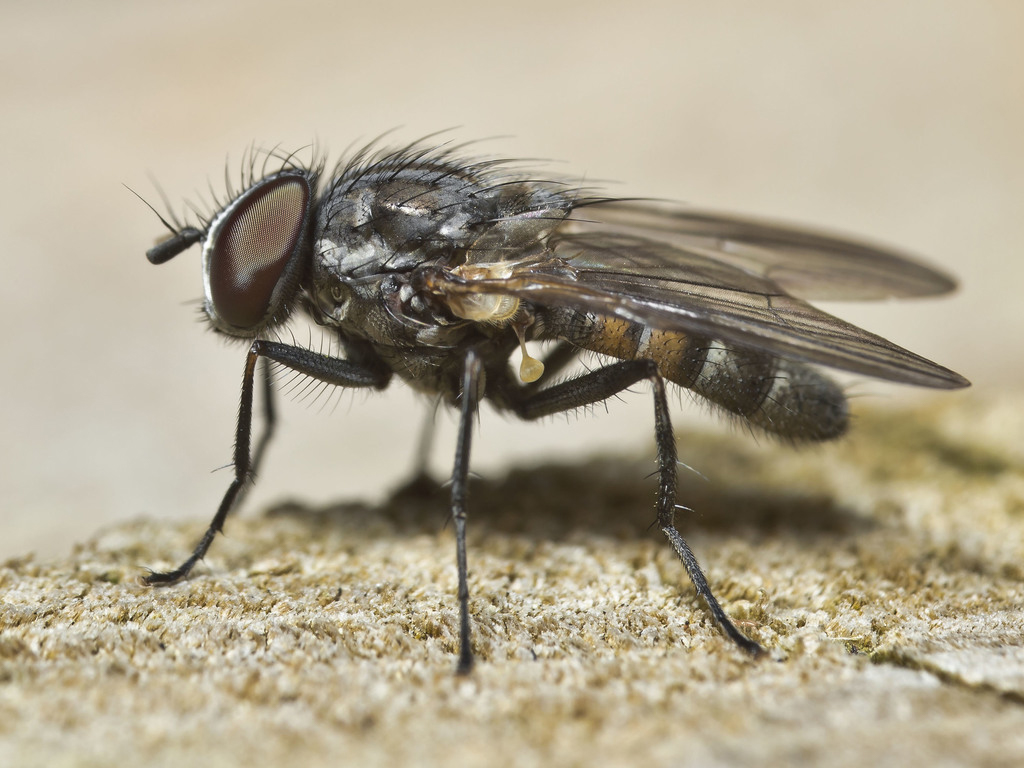
Size: Around 4–7 mm long.
Looks: Smaller and slimmer than the common house fly. They are usually grey and may fly in a slow, circling pattern indoors.
Places Found: Found around kitchens, bins, poultry areas, animal waste, compost, and warm sheltered indoor areas.
Behaviour: Lesser house flies are often seen circling around light fittings, rooms, or sheltered areas. They are attracted to waste and organic matter, similar to other filth flies.
Time of Year: More common in warmer months but may continue indoors where conditions suit.
Quick History: Lesser house flies are common around animal waste and domestic areas. They are not always noticed as much as larger flies, but they can still become a nuisance indoors.
How To Tell What Fly Problem You Have
Large flies suddenly appearing indoors: Could point to a dead rodent, bird, or animal in a roof space, wall, or subfloor.
Small flies around fruit or alcohol residue: Often vinegar flies.
Small fuzzy flies near drains: Often drain flies.
Slow flies gathering around windows: Often cluster flies.
Flies around bins and food areas: Often house flies or blow flies.
Biting flies around animals or rural areas: Could be stable flies.