
Wellington Flea Species Identification
Fleas are small, fast-moving insects that feed on blood. They are commonly brought into Wellington homes by pets, rodents, birds, or wildlife. Once inside, they can breed in carpets, pet bedding, couches, cracks, flooring edges, and warm sheltered areas.
Below are some of the flea species that may be found in Wellington homes and buildings.
Cat Flea
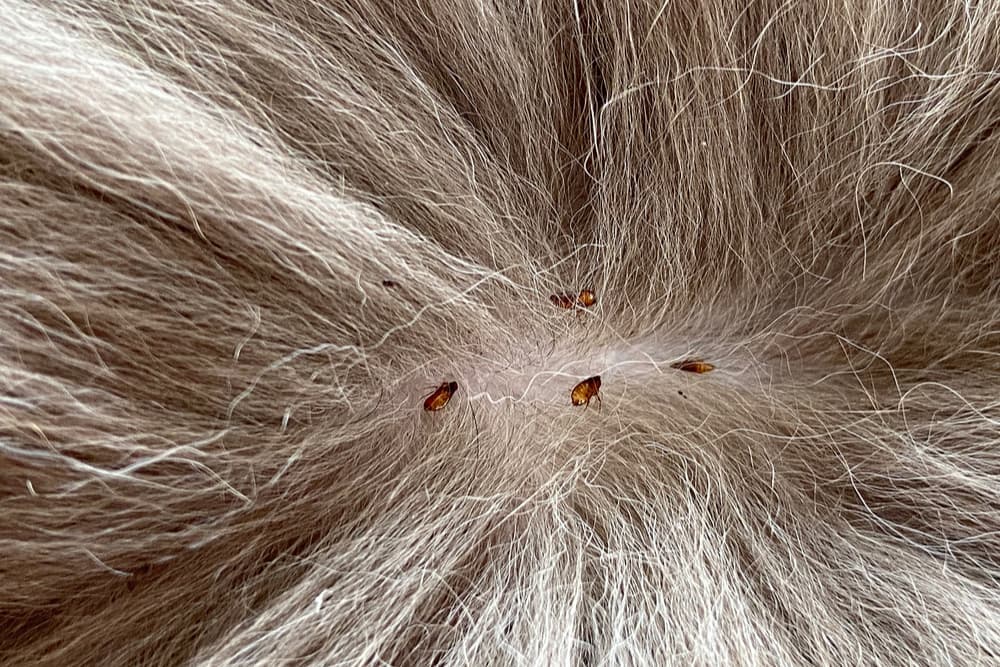
Size: Around 1.5–3 mm long.
Looks: Small, dark brown to reddish-brown, wingless, and flattened from side to side. They have strong back legs and can jump quickly when disturbed.
Places Found: Commonly found on cats and dogs, as well as in pet bedding, carpets, rugs, couches, bedrooms, under furniture, and areas where pets regularly sleep.
Behaviour: Cat fleas feed on blood and lay eggs that fall off pets into the surrounding environment. This is why flea problems are often found in carpets and bedding, not just on the pet.
Time of Year: Usually worse in spring and summer, but they can remain active year-round inside warm Wellington homes.
Quick History: Cat fleas are one of the most common flea species found in homes. Despite the name, they are also very common on dogs.
Dog Flea
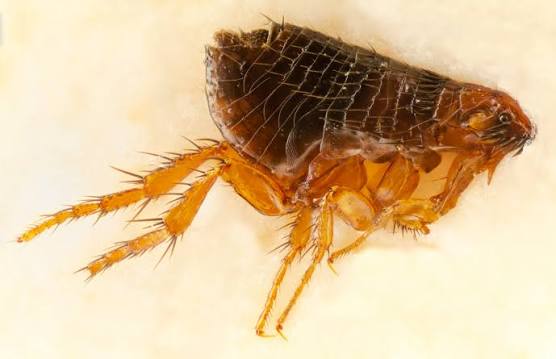
Size: Around 2–3 mm long.
Looks: Small, dark brown, wingless, and very similar in appearance to the cat flea. They are difficult to tell apart without close inspection.
Places Found: Found on dogs, in kennels, pet bedding, carpets, rugs, and areas where dogs sleep or rest.
Behaviour: Dog fleas feed on blood and breed around animal resting areas. They can also bite people if numbers build up inside the home.
Time of Year: More active during warmer months, but indoor heating can allow them to continue breeding through winter.
Quick History: Dog fleas were traditionally linked with dogs and wild canines, but in modern homes, cat fleas are usually more common, even on dogs.
Human Flea
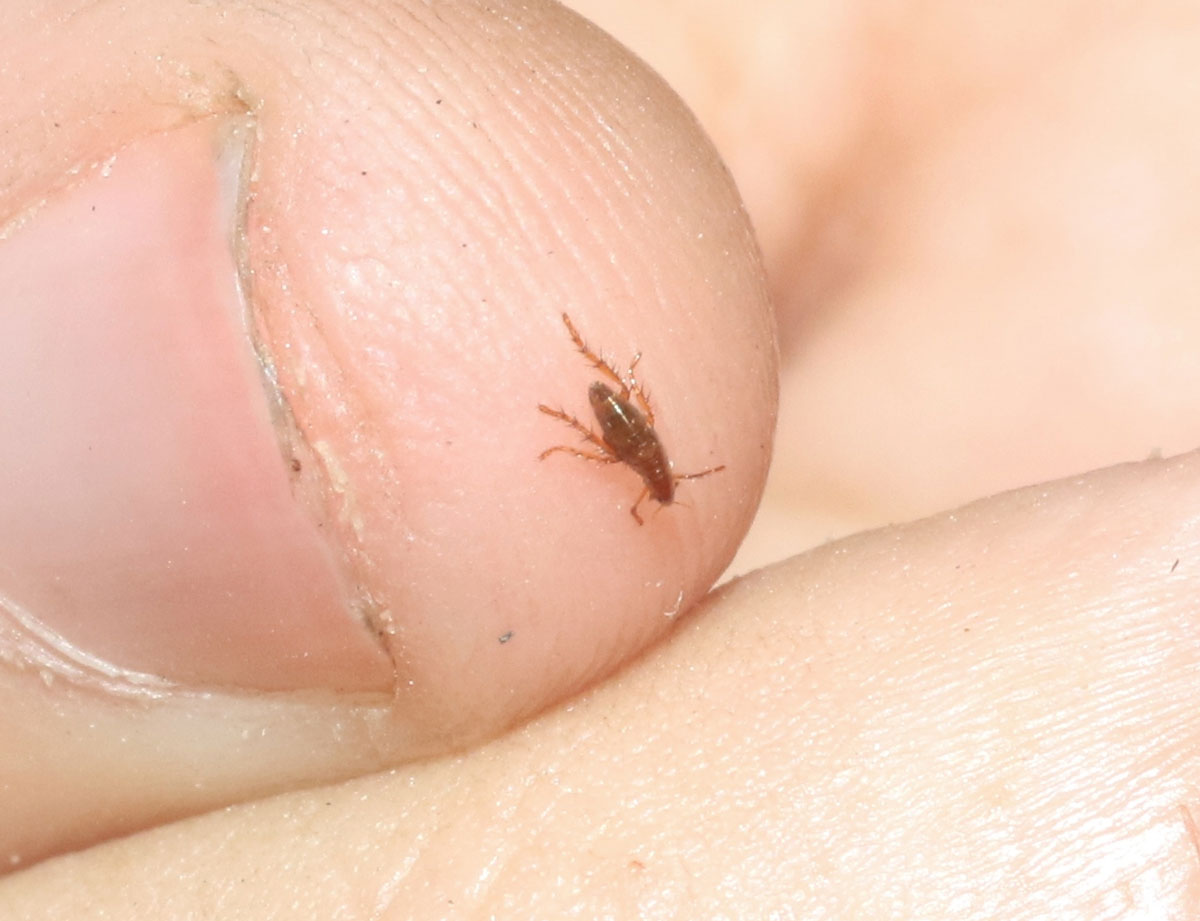
Size: Around 1.5–4 mm long.
Looks: Brown, wingless, and flattened from side to side. They look similar to other fleas and can move quickly through hair, bedding, and fabrics.
Places Found: Less common in modern homes, but may be found in bedding, clothing, carpets, animal bedding, sheds, or areas where people and animals have had close contact.
Behaviour: Human fleas feed on blood and may bite people, pets, pigs, and other mammals. Bites are often noticed around ankles, legs, and waistlines.
Time of Year: More likely to be seen in warmer, humid conditions, although they are not the main flea species usually found in Wellington homes.
Quick History: Human fleas were once a much bigger problem when people lived closer to livestock and hygiene standards were lower. Today, they are far less common than cat fleas.
Bird Flea
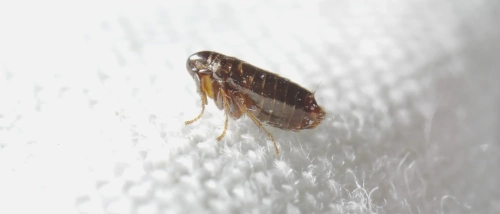
Size: Around 1.5–3 mm long.
Looks: Small, brown to reddish-brown, wingless, and similar in appearance to other flea species.
Places Found: Usually found in bird nests, roof voids, ceiling spaces, eaves, gutters, chimneys, vents, and wall cavities.
Behaviour: Bird fleas normally feed on birds. Problems often start when birds leave a nest, the nest dries out, or nesting material is disturbed. Once the bird host is gone, fleas may move into nearby living areas and bite people.
Time of Year: Often linked to bird nesting activity. They may become noticeable after birds leave the nest or after nesting material is removed.
Quick History: Bird fleas have always lived closely with nesting birds. In homes, they usually become a problem when birds nest too close to the building.
Northern Rat Flea
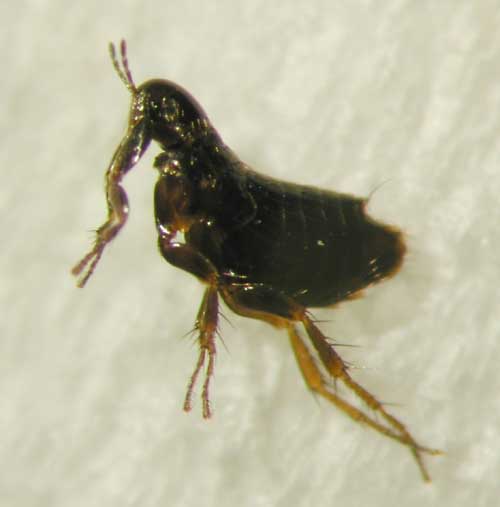
Size: Around 2–3.5 mm long.
Looks: Small, dark brown, wingless, and flattened. They are built to move through rodent fur and can jump when disturbed.
Places Found: Usually found around rats and their nesting areas, including roof spaces, subfloors, wall cavities, garages, sheds, and other sheltered areas where rodents have been active.
Behaviour: Rat fleas feed on rodents but may bite people or pets if rats die, leave the area, or nests are disturbed.
Time of Year: Can be found year-round where rodent activity is present, especially in warm roof spaces and subfloors.
Quick History: Rat fleas have been associated with rodents for centuries. They are not usually the most common household flea, but they can become an issue when rodent infestations are present.
How To Tell If You Have Fleas
Common signs of fleas include:
Bites: Small itchy bites, often around ankles and lower legs.
Pet Scratching: Cats or dogs scratching, biting, or over-grooming.
Flea Dirt: Small black specks found in pet bedding or animal fur.
Jumping Fleas: Small insects jumping from carpet, bedding, or furniture.
Sudden Activity: Fleas appearing after moving into a property, removing nests, treating rodents, or when pets have not been treated.