
Wellington Bird Species Identification
Birds are common around New Zealand homes and businesses, but some species can become a real problem when they start nesting, roosting, or leaving droppings around buildings.
The main issues usually come from birds nesting in roof voids, gutters, vents, signs, solar panels, warehouses, loading bays, and shopfronts. Bird droppings can also create mess, smell, blocked gutters, slip hazards, and hygiene concerns.
Below is a simple guide to some of the most common problem birds found around Wellington properties.
Feral Pigeons
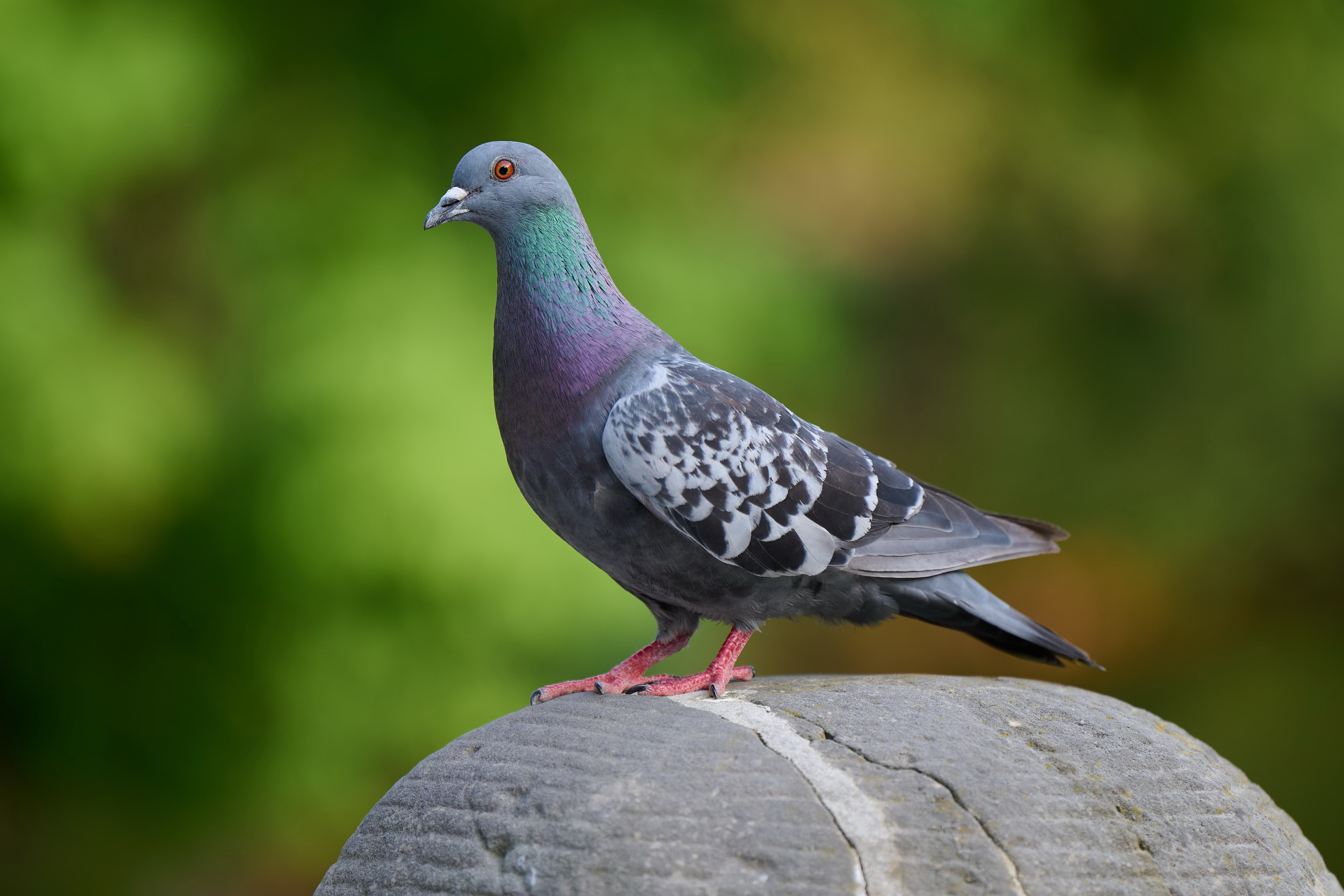
Size: Feral pigeons are medium-sized birds, usually around 30–35 cm long.
Looks: They are usually grey with darker wing markings, but colours can vary. Some may be white, brown, black, or mixed due to breeding with domestic pigeons. They have a rounded body, small head, and often have a green or purple shine around the neck.
Places Found: Pigeons are commonly found around buildings, ledges, roofs, signs, warehouses, carparks, town centres, balconies, and commercial sites. They often roost and nest on sheltered ledges or in gaps around buildings.
Quick History: Feral pigeons come from domesticated rock pigeons. They have adapted extremely well to cities and towns because buildings provide similar nesting areas to cliffs and rocky ledges. Once pigeons find a safe roosting spot, they can return to the same area regularly.
Pigeons are one of the most common bird issues for businesses because they can leave heavy droppings, block gutters, and create hygiene problems around entrances and food areas.
House Sparrows
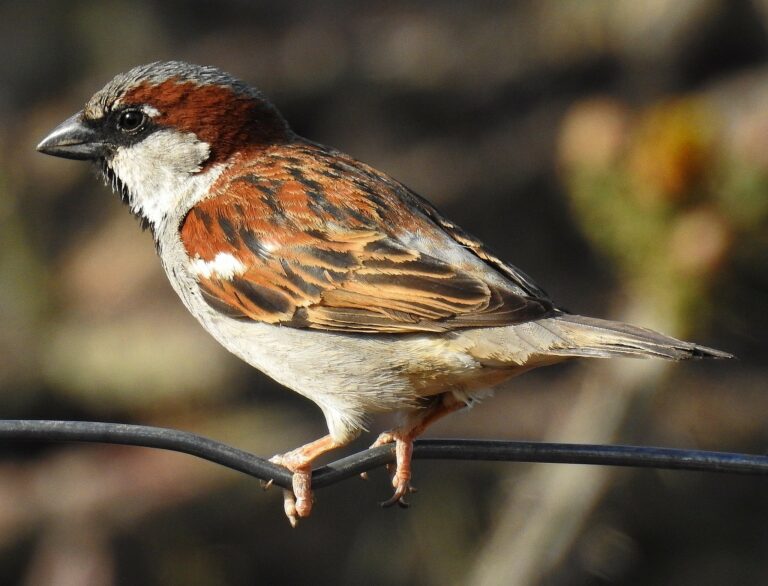
Size: House sparrows are small birds, usually around 14–16 cm long.
Looks: Male sparrows have brown and grey colouring with a black bib under the beak. Females and young sparrows are usually lighter brown and less noticeable. They are small, quick-moving birds that are often seen in groups.
Places Found: Sparrows are commonly found around homes, cafes, warehouses, supermarkets, food courts, outdoor dining areas, roof gaps, signs, gutters, and small openings in buildings.
Quick History: House sparrows were introduced to New Zealand in the 1800s. They spread quickly and are now one of the most common birds seen around towns, gardens, and buildings.
Sparrows can become a problem when they nest inside roof spaces, vents, signs, or warehouse areas. They are small enough to enter gaps that larger birds cannot.
Starlings
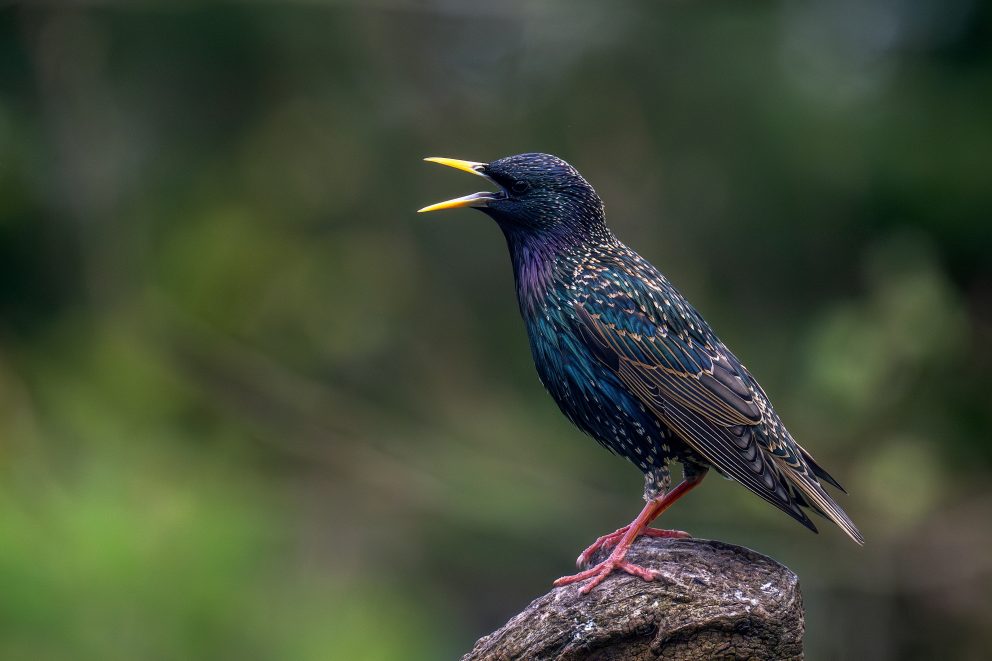
Size: Starlings are small to medium-sized birds, usually around 20 cm long.
Looks: Starlings often look dark from a distance, but up close they can have a glossy green or purple shine with light speckling. They have pointed beaks, short tails, and move quickly in flocks.
Places Found: Starlings are often found around roof cavities, gutters, vents, warehouses, farms, industrial buildings, and open areas where food is available. They may nest in holes, gaps, and cavities around buildings.
Quick History: Starlings were introduced to New Zealand and are now widespread. They are known for forming flocks and using building gaps as nesting spots.
Starlings can cause issues when nesting material blocks gutters, downpipes, vents, or roof cavities. Their droppings can also build up around regular roosting areas.
Mynas
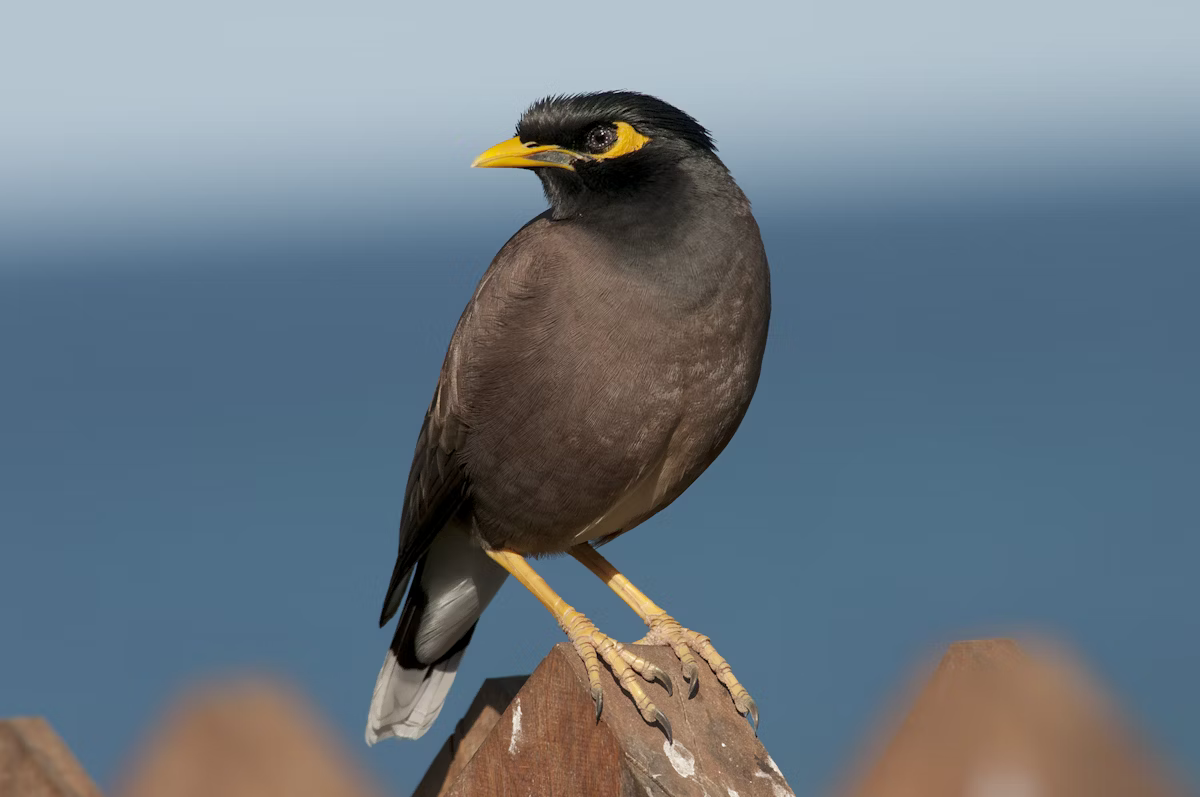
Size: Mynas are medium-sized birds, usually around 23–25 cm long.
Looks: Mynas are brown birds with a black head, yellow beak, yellow legs, and yellow skin around the eyes. They are noisy, bold, and often seen walking around lawns, carparks, and streets.
Places Found: Mynas are more common in warmer parts of the North Island, but they can still be an important pest bird to identify. They are found around buildings, parks, farms, schools, food areas, and nesting cavities.
Quick History: Mynas were introduced to New Zealand and have become a pest in some regions. They are aggressive birds and can compete with other species for nesting spaces.
Mynas can become a problem around buildings when they nest in cavities, roof gaps, or sheltered areas. They are also known for being noisy and territorial.
Gulls
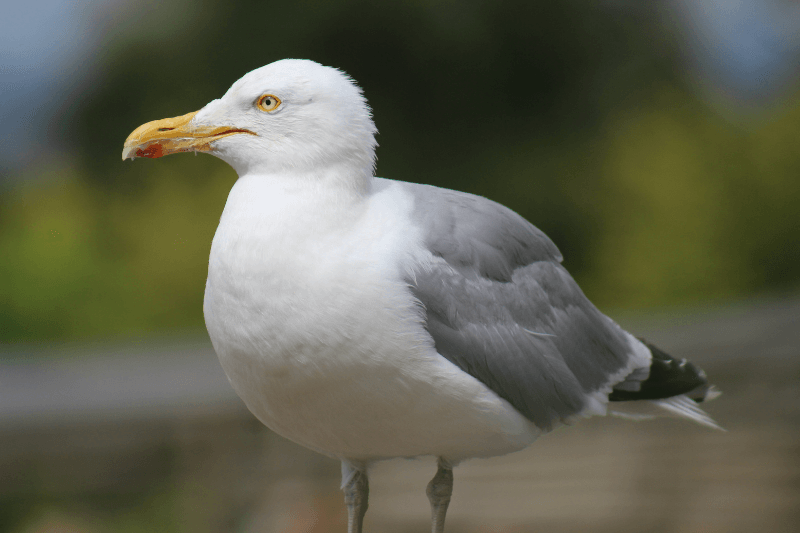
Size: Gulls vary in size depending on the species, but most are medium to large birds.
Looks: Gulls are usually white, grey, and black, with long wings and strong beaks. They are often seen around the coast, rubbish areas, food businesses, carparks, and open spaces.
Places Found: Gulls are commonly found around coastal areas, rooftops, shopping areas, landfills, food sites, schools, and commercial buildings. They may nest or roost on flat roofs, ledges, and open rooftop areas.
Quick History: Gulls are naturally found in New Zealand, especially around coastal environments. Some species can become a problem when they move into urban areas and start nesting or feeding around buildings.
Because some gull species are native and protected, gull control needs to be handled carefully. Identification is important before any work is carried out.