
Welington Spider Species Guide
Wellington has a mix of native and introduced spiders. Some are commonly found indoors, while others are more likely to be seen around gardens, bush areas, coastal properties, sheds, and exterior walls.
Below are some of the spider species and spider groups commonly noticed around Wellington properties.
Grey House Spider / Common House Spider
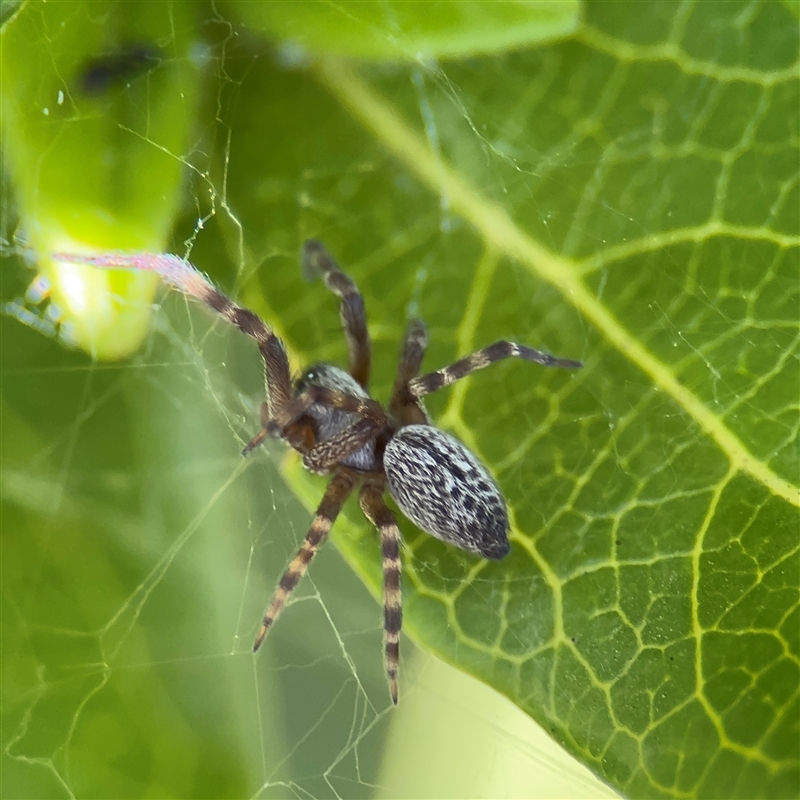
Size: Around 6–15 mm long.
Looks: Grey to dark brown, with a slightly hairy body and darker markings. They can look plain from a distance but are often responsible for messy cobwebs around homes.
Places Found: Commonly found around window frames, weatherboards, fences, sheds, garages, outdoor lights, corners, rooflines, decks, and exterior cladding.
Behaviour: Grey house spiders build messy cobweb-style retreats where they wait for insects to get caught. They often stay hidden during the day and are more active at night.
Time of Year: Can be found year-round, but webbing is often more noticeable in warmer months when insect activity increases.
Quick History: This spider is one of the most common spiders seen around New Zealand homes. It is well adapted to buildings, gardens, fences, and outdoor structures.
White-Tailed Spider
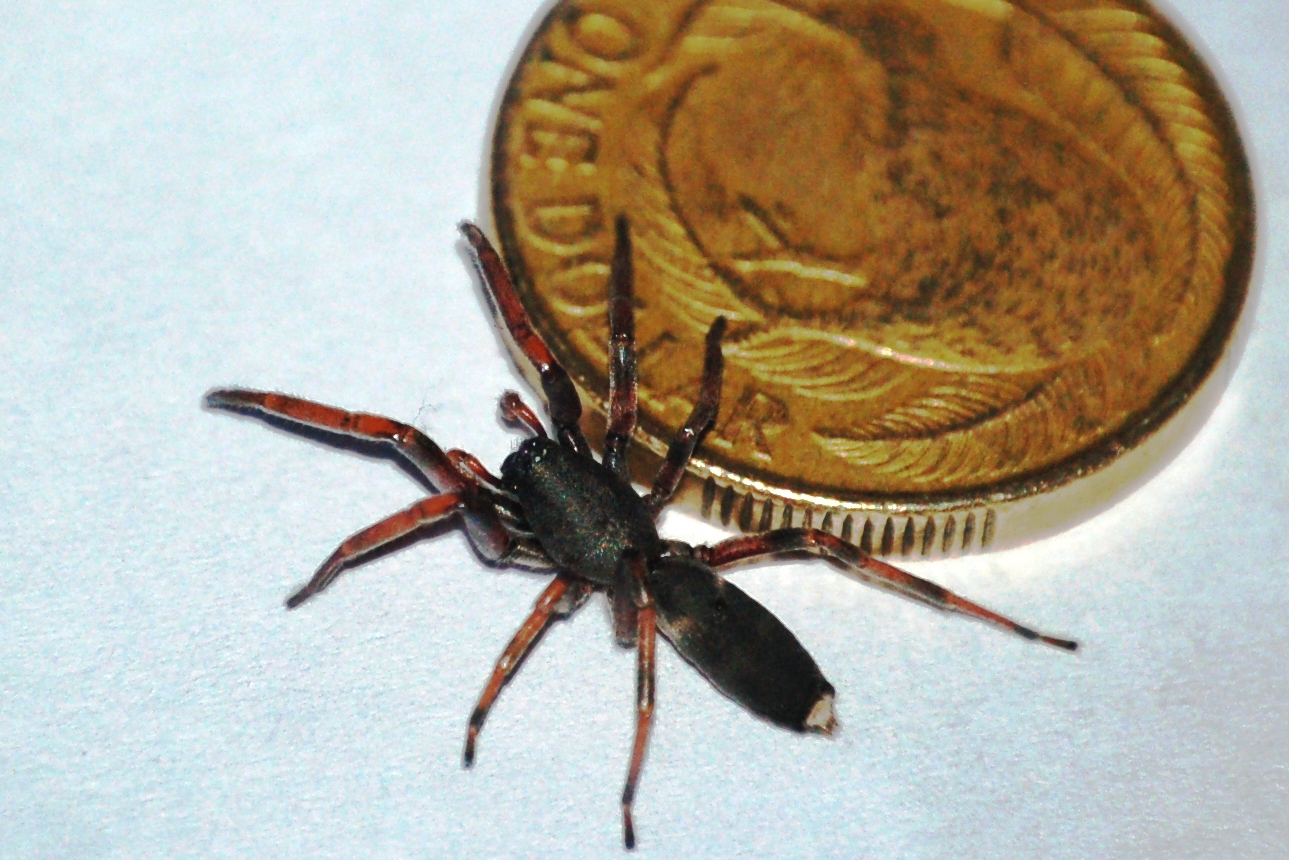
Size: Up to around 17 mm long.
Looks: Dark grey to black body with a pale white or light grey mark near the end of the abdomen. They have a longer, narrow body shape compared with many web-building spiders.
Places Found: Found inside homes, bedrooms, bathrooms, laundries, wardrobes, bedding, clothing, garages, sheds, and around cracks or sheltered spaces.
Behaviour: White-tailed spiders do not build messy catching webs like house spiders. They are hunting spiders and often feed on other spiders. They may wander indoors, especially when looking for food or shelter.
Time of Year: Often noticed more in warmer months, especially summer and autumn, but they can be found indoors at different times of the year.
Quick History: White-tailed spiders were introduced from Australia and are now widespread in parts of New Zealand. They are one of the spiders people are most likely to worry about because of their reputation for biting.
Daddy Long-Legs Spider / Cellar Spider
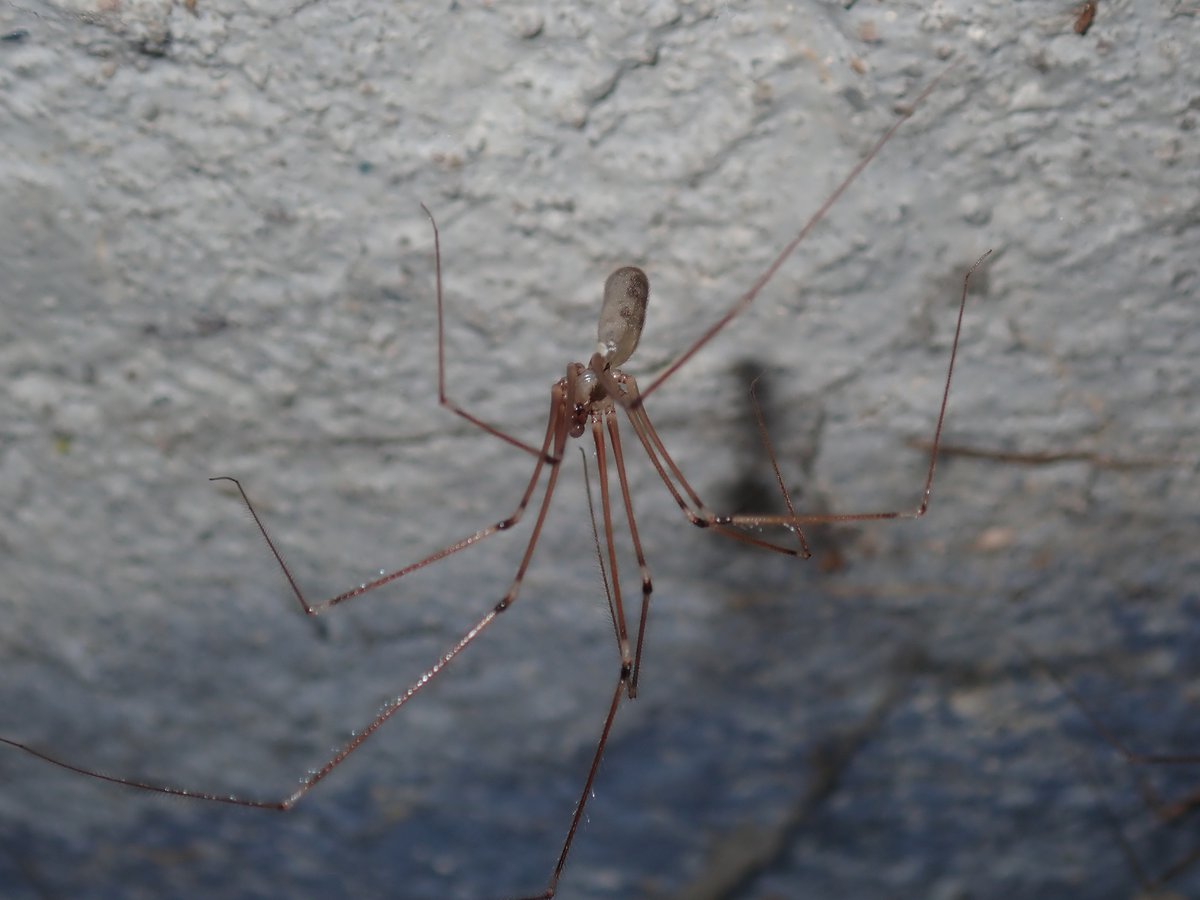
Size: Body around 7–10 mm long, with very long legs.
Looks: Small, pale brown to grey body with extremely long, thin legs. They are delicate-looking and usually sit upside down in messy webs.
Places Found: Commonly found indoors in ceiling corners, behind furniture, wardrobes, garages, basements, cupboards, sheds, and quiet areas of the home.
Behaviour: Daddy long-legs spiders build loose, messy webs and often stay in the same area for long periods. They feed on small insects and other spiders.
Time of Year: Can be found year-round inside homes and buildings where conditions are warm and sheltered.
Quick History: These spiders are strongly associated with human buildings and are common in many parts of New Zealand. They are often confused with harvestmen, which are arachnids but not true spiders.
Black Cobweb Spider / False Katipō
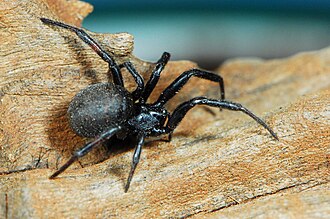
Size: Around 7–10 mm long.
Looks: Shiny black or dark brown body. Some may have a faint reddish marking, which can cause confusion with katipō spiders. They usually have a rounded body and build messy cobwebs.
Places Found: Found around homes, garages, sheds, outdoor furniture, fences, coastal areas, garden edges, wall gaps, and sheltered exterior areas.
Behaviour: Black cobweb spiders build tangled webs and wait for prey to get caught. They are usually shy and stay hidden in sheltered webbing.
Time of Year: Can be found throughout the year, especially in dry, sheltered areas.
Quick History: The false katipō is thought to have originated from South Africa and is now found throughout New Zealand. Around Wellington, it can be common in human-modified environments and may sometimes be mistaken for the native katipō.
Sheetweb Spider
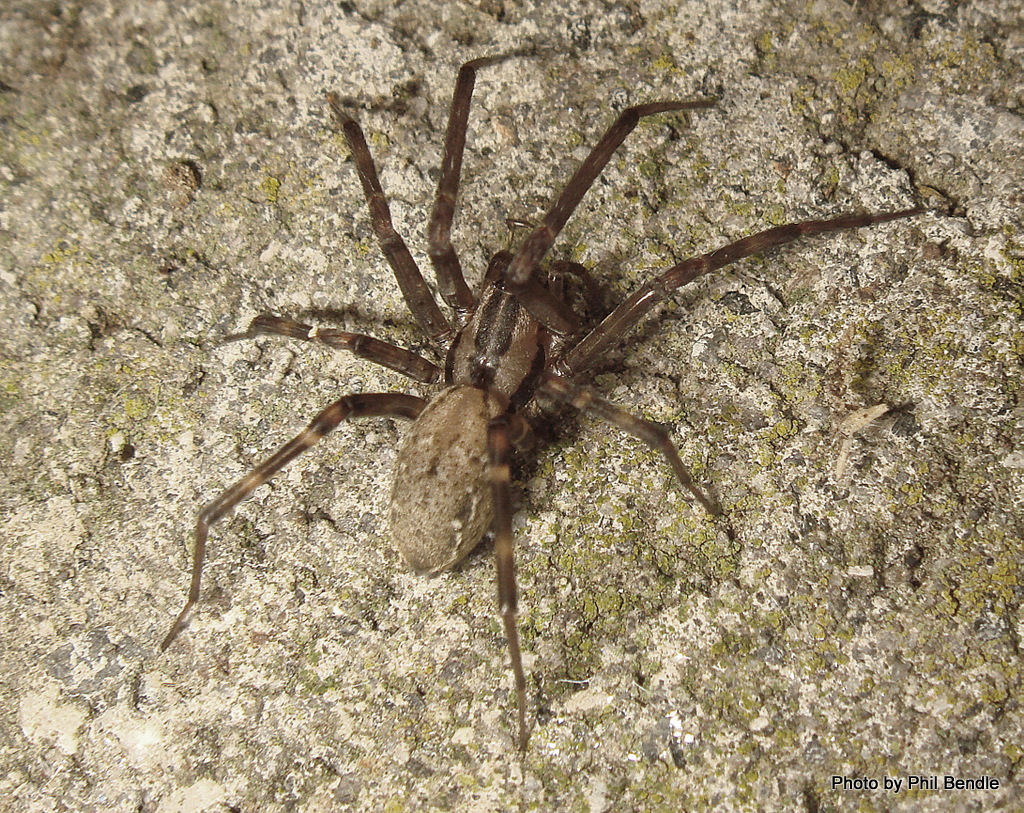
Size: Small species may be under 10 mm long, while larger species can have a much wider leg span.
Looks: Long-legged spiders, usually brown to grey-brown. They are often noticed because of their large flat sheet-like webs rather than the spider itself.
Places Found: Commonly found in native bush, gardens, shrubs, retaining walls, banks, fences, and sheltered outdoor areas. Males may occasionally wander into homes.
Behaviour: Sheetweb spiders build flat sheet-style webs and usually hide in a retreat during the day. At night, they wait under the web for insects to fall in.
Time of Year: Often noticed more during warmer months when web activity and insect numbers increase.
Quick History: Sheetweb spiders are found throughout New Zealand and are common in bush and garden areas. Around Wellington properties close to trees, reserves, or native planting, they may be seen more often.
Garden Orbweb Spider
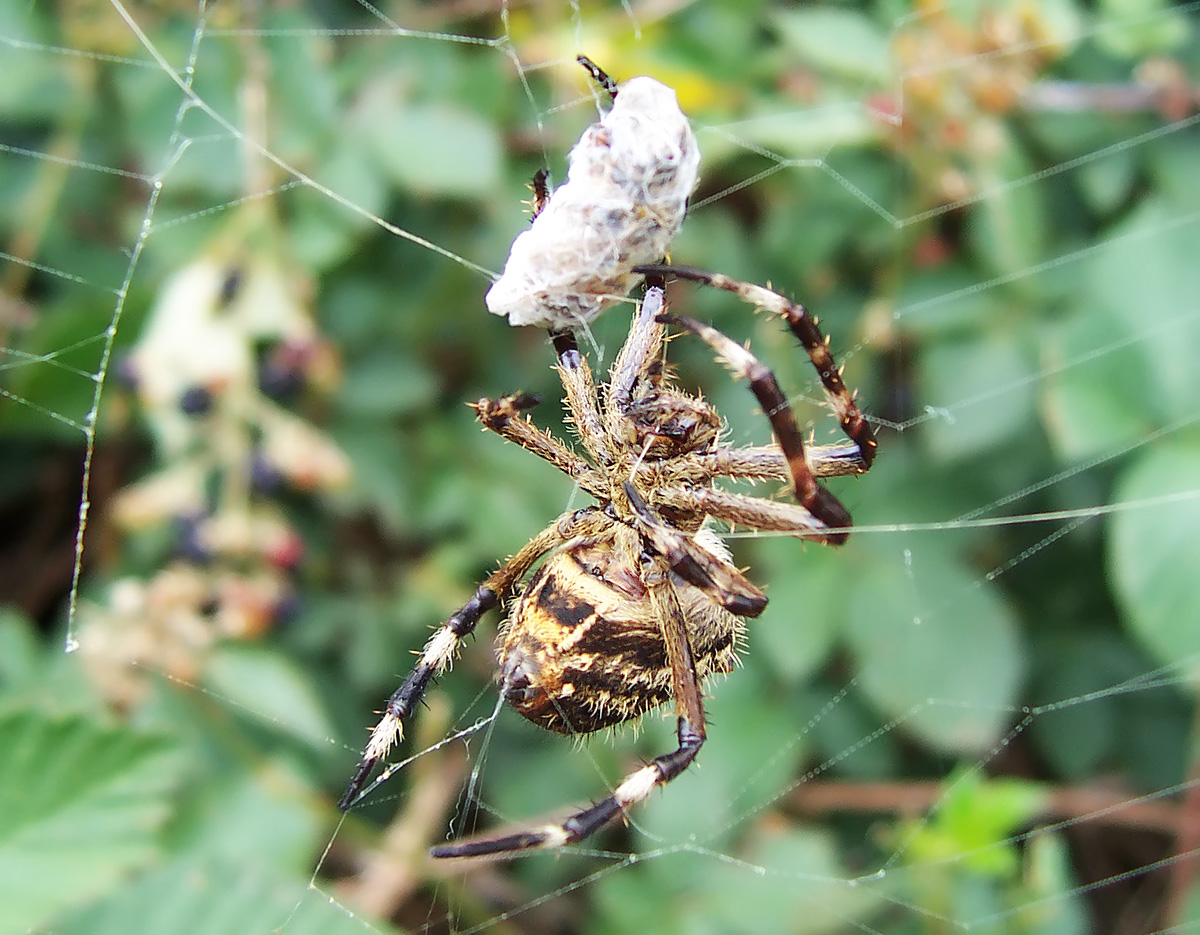
Size: Around 10–20 mm long, depending on the spider.
Looks: Colour can vary a lot, but many are brown, grey, orange, or patterned. They usually have a round body and are known for building classic circular webs.
Places Found: Found in gardens, shrubs, trees, fences, decks, washing lines, outdoor furniture, exterior lights, and around windows.
Behaviour: Garden orbweb spiders build round wheel-shaped webs to catch flying insects. They often repair or rebuild their webs at night and may hide nearby during the day.
Time of Year: Most noticeable in late summer and autumn when they are larger and their webs become more obvious.
Quick History: Orbweb spiders are common garden spiders in New Zealand. They are useful predators of flying insects but can become annoying when webs are constantly being built around outdoor living areas and entry points.
Jumping Spider
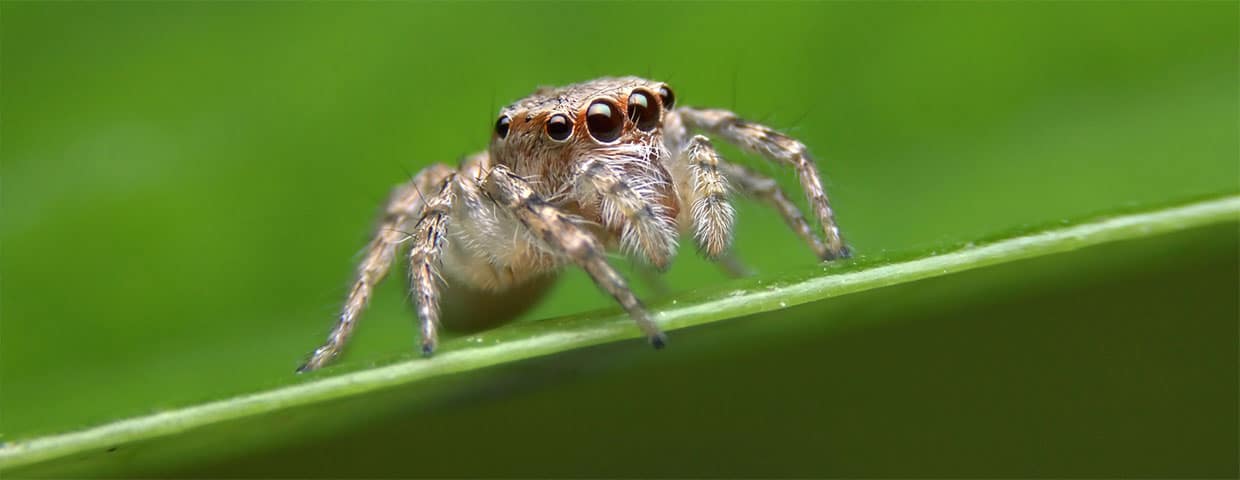
Size: Around 5–10 mm long.
Looks: Small, compact spider with short legs and large front-facing eyes. They are often black, brown, grey, or patterned.
Places Found: Found on walls, fences, windowsills, decks, garden plants, outdoor furniture, sheds, and sometimes inside homes.
Behaviour: Jumping spiders are active hunters. They do not rely on large webs to catch food. Instead, they use their strong eyesight and quick movements to stalk and jump on insects.
Time of Year: More noticeable in warmer months, especially on sunny walls, windows, and fences.
Quick History: New Zealand has several species of jumping spiders. They are generally harmless and are often seen during the day because they rely heavily on eyesight to hunt.
Nursery web Spider
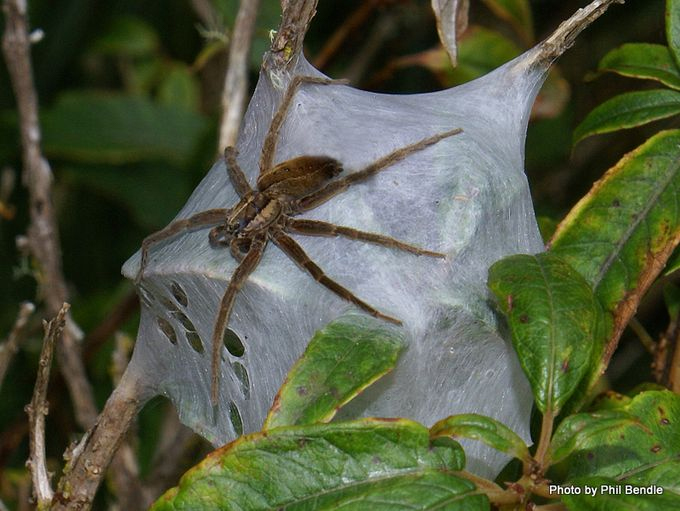
Size: Around 10–25 mm long.
Looks: Brown to grey-brown spider with long legs. They can look large and fast-moving compared with smaller house spiders.
Places Found: Found in gardens, long grass, shrubs, bush edges, damp areas, wood piles, sheds, and sometimes around exterior walls.
Behaviour: Nurseryweb spiders are hunting spiders. Females carry or guard egg sacs and may build a nursery-style web for their young. They do not usually build messy house cobwebs.
Time of Year: More commonly noticed in warmer months when they are active in gardens and vegetation.
Quick History: Nurseryweb spiders are part of New Zealand’s natural spider life and are often seen around gardens and outdoor areas. They can look intimidating because of their size, but they are not usually a household pest.
Black Tunnel web Spider
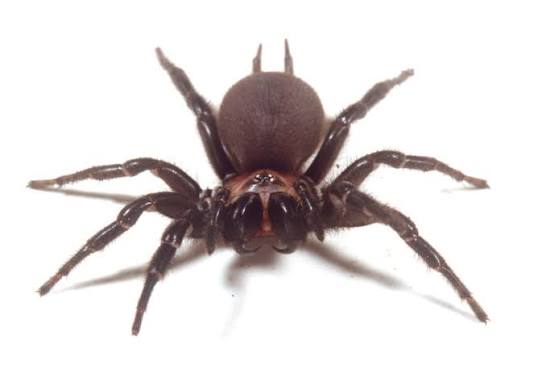
Size: Around 15–25 mm long.
Looks: Dark brown to black, solid-looking spider with a strong body and legs. They can look intimidating because of their size and colour.
Places Found: Found in gardens, banks, retaining walls, logs, rocks, bush edges, and damp sheltered areas. Males may occasionally wander indoors.
Behaviour: Black tunnelweb spiders live in silk-lined retreats, often in holes or sheltered gaps. Males are more likely to be seen wandering when looking for females.
Time of Year: More often noticed during warmer and wetter periods, especially around gardens and bushy properties.
Quick History: Black tunnelweb spiders are native New Zealand spiders. They are sometimes confused with more dangerous overseas spiders because of their appearance, but they are part of the natural environment and are usually found outdoors.
Slater Spider
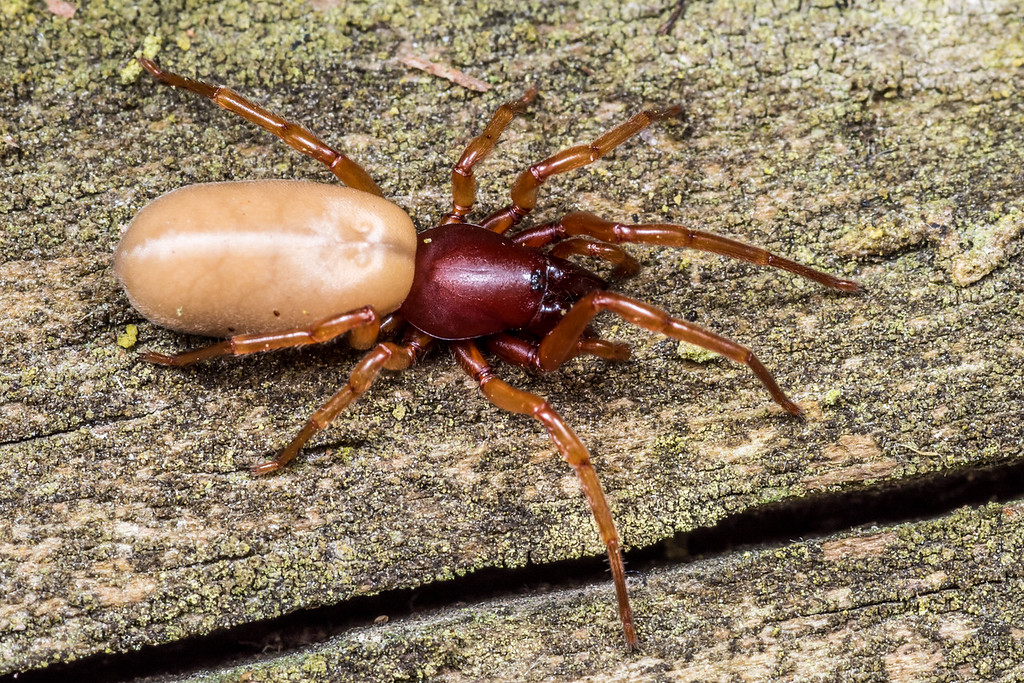
Size: Around 8–15 mm long.
Looks: Orange to reddish-brown body with a pale cream or grey abdomen. They have large jaws compared with their body size and a smooth, shiny appearance.
Places Found: Found under rocks, logs, pots, garden edging, damp areas, sheds, garages, and places where slaters are common.
Behaviour: Slater spiders hunt woodlice, also known as slaters. They do not build large catching webs and are usually found in damp sheltered areas.
Time of Year: Can be seen throughout the year, but they are more noticeable when people move pots, timber, garden items, or stored materials.
Quick History: Slater spiders are often found where their prey lives. Their unusual colour and larger jaws make them stand out from many other spiders around homes.